
Car Wrapping in Egypt: What to Know Before a Colour Change
Wrap or respray? Gloss, satin or matte? And what about traffic-department approval? A practical guide to car wrapping in Egypt — from choosing the colour to looking after the finish once the car is home.
In this article
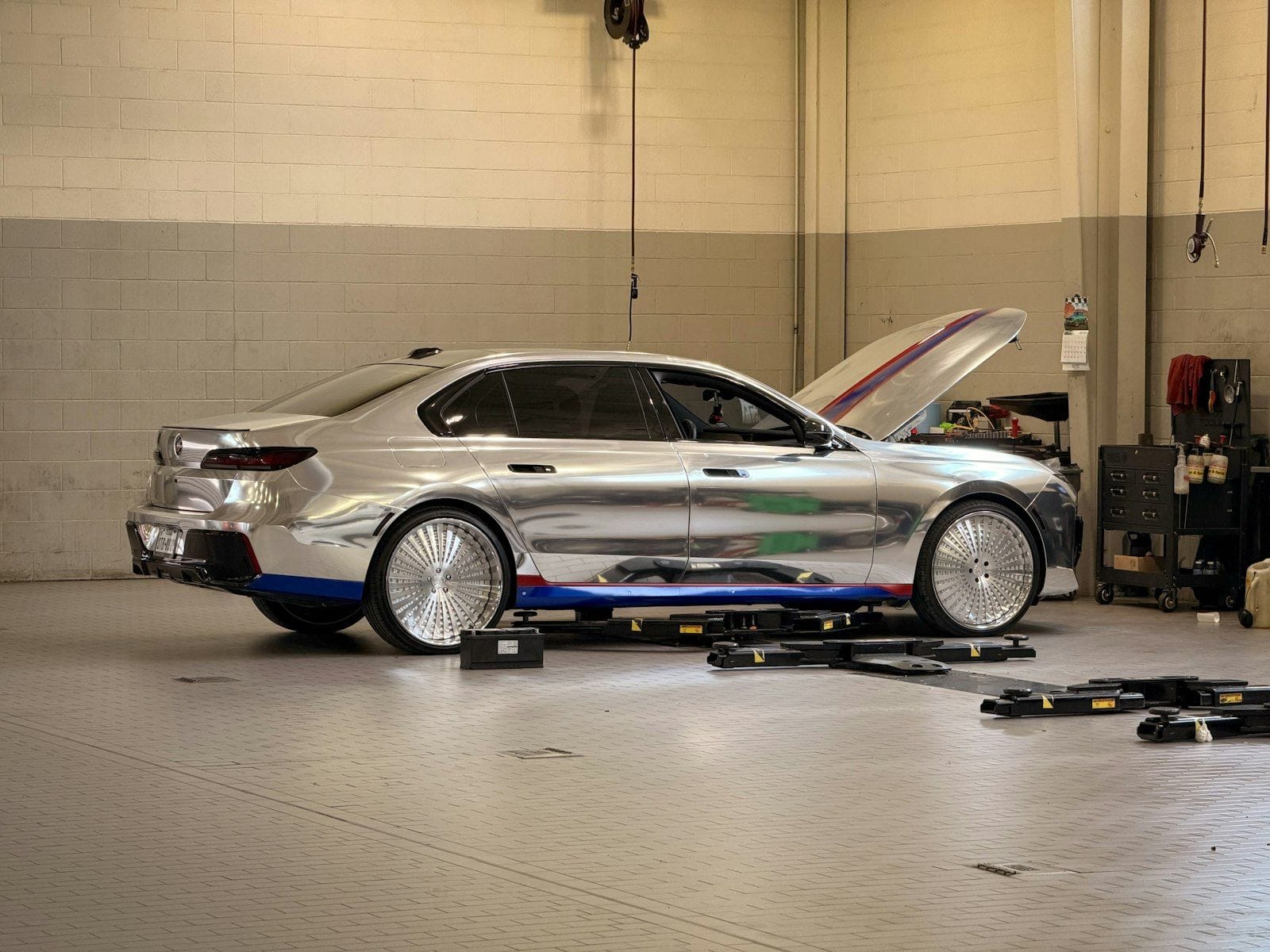
If you are thinking about car wrapping in Egypt, you are looking at the most flexible way to change how your car looks without touching the factory paint: a full colour change, a satin or matte finish, or just a black roof. But a wrap isn't a sticker you put on in an afternoon, and in Egypt a colour change also has a paperwork side you need to plan for. This guide walks through what matters before you commit — wrap versus respray, choosing a finish, traffic-department approval, how we install wraps at our Cairo studios, and how to look after the result.
Wrap or respray: the real difference
A respray changes your colour permanently. The old paint is sanded and prepared, then new colour goes on top. Done well, it can look excellent — but the original factory paint is gone, and plenty of buyers look very closely at a resprayed car when it comes time to sell.
A wrap works the other way round. It's a coloured film laid over the paint you already have. The factory finish stays underneath, and when you want to go back to the original colour, the film comes off.
| Wrap | Respray | |
|---|---|---|
| Factory paint | Kept underneath the film | Covered by new paint |
| Going back to the original colour | Possible — the film is removed | Only with another respray |
| Finishes | Gloss, satin, matte, or details only | Depends on the paint shop |
| Changing one area only | Easy — roof, mirrors, trim | Needs prep and paint for that area |
An honest caveat: a wrap needs a sound surface. If panels have been poorly resprayed before, or the clear coat is flaking, the film will show every flaw — and removal can lift weak paint with it. That's why we inspect the paint before starting and tell you if anything needs attention first.
Choosing a finish: gloss, satin or matte
The finish often matters more than the colour itself. It decides how the car looks in the sun and how much care it needs day to day.
Gloss
The closest thing to paint. Most people won't realise the car is wrapped at all, and it's the easiest finish to live with.
Satin
Sits between the two: a soft sheen that shows off the body lines without going completely flat. A good choice if you want something different without shouting about it.
Matte
The boldest look, and the one that needs the most attention. It can't be polished or waxed, and the wrong product can leave shiny patches that won't come out.
Tip: look at the samples on your own car, outside in daylight and under studio lighting. A colour in Cairo sunshine looks very different from the same colour on a phone screen.
Partial wraps: roof, mirrors and chrome delete
You don't have to wrap the whole car to change its character. Smaller jobs take less time and can make a big difference:
- A black roof in gloss or matte — one of the most popular requests.
- Mirror caps in a contrasting colour.
- Chrome delete: covering the bright trim around the windows and on the grille in a darker finish.
- Accent details on selected areas, to your taste.
If you're not sure whether a partial wrap counts as a colour change on your licence, ask at the traffic department before you book. Checking is better than guessing.
Colour changes and traffic-department approval
In Egypt, changing a car's colour needs approval from the traffic department (إدارة المرور). Our advice is simple: get the approval before the wrap goes on, not after. Requirements can vary and change over time, so ask your own traffic department exactly what they need for your car rather than relying on what you've heard. We'll remind you of this step during the consultation, before we fix an installation date.
How a wrap protects your original paint
The film becomes a layer between your paint and daily life — the sun, the dust, the constant washing. When it's removed, the factory paint that was underneath is still there, which matters if you plan to sell the car in its original colour later.
Two things to keep in mind. First, a wrap is made for looks and colour; it isn't designed to absorb stone chips the way PPF is (more on that below). Second, removal has to be done properly — slowly and with heat, at a specialist studio, not pulled off in a hurry.
Car wrapping in Egypt: how we do it at our studios
- Colour and finish consultation with real samples — held up against your car, not shown on a screen.
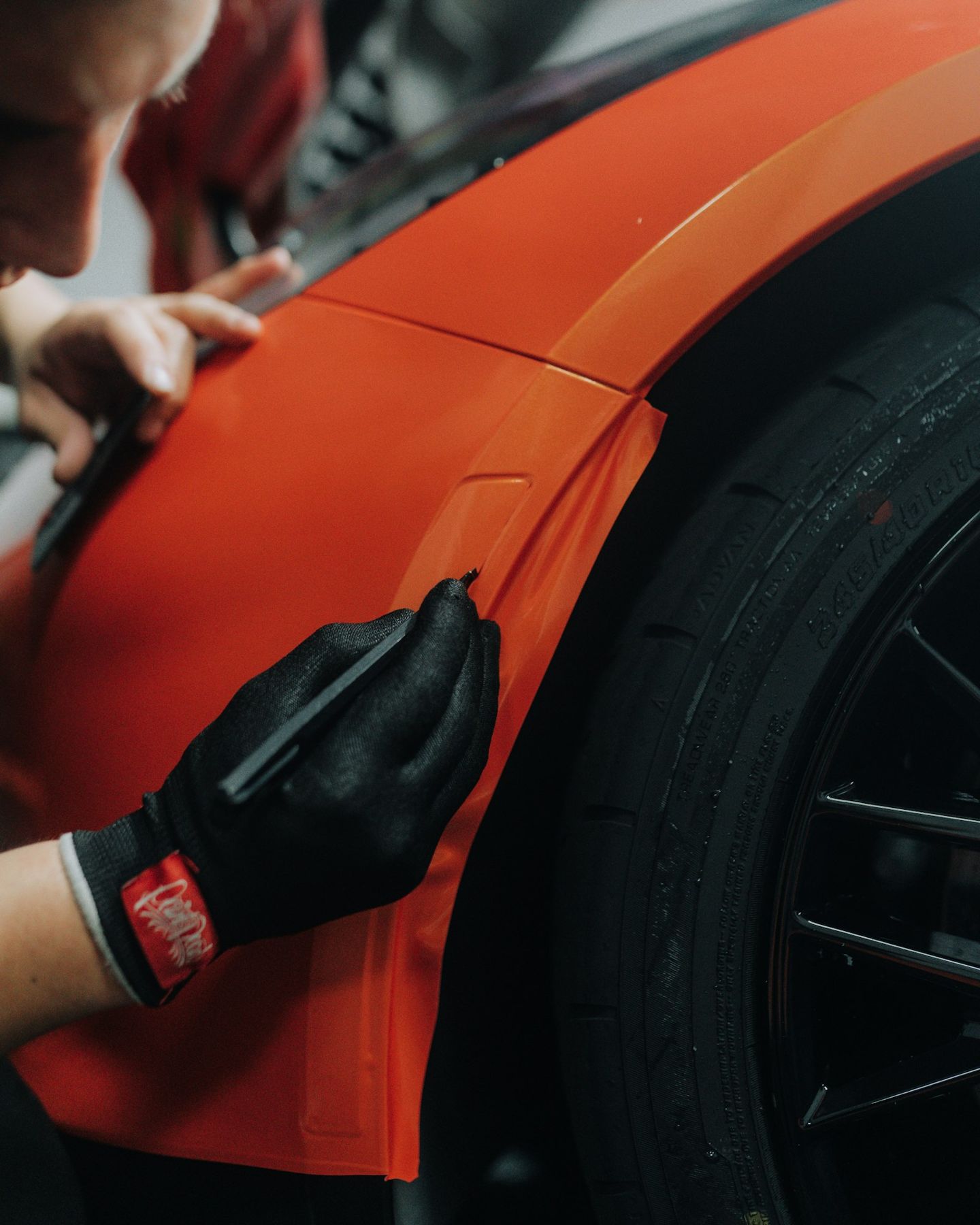
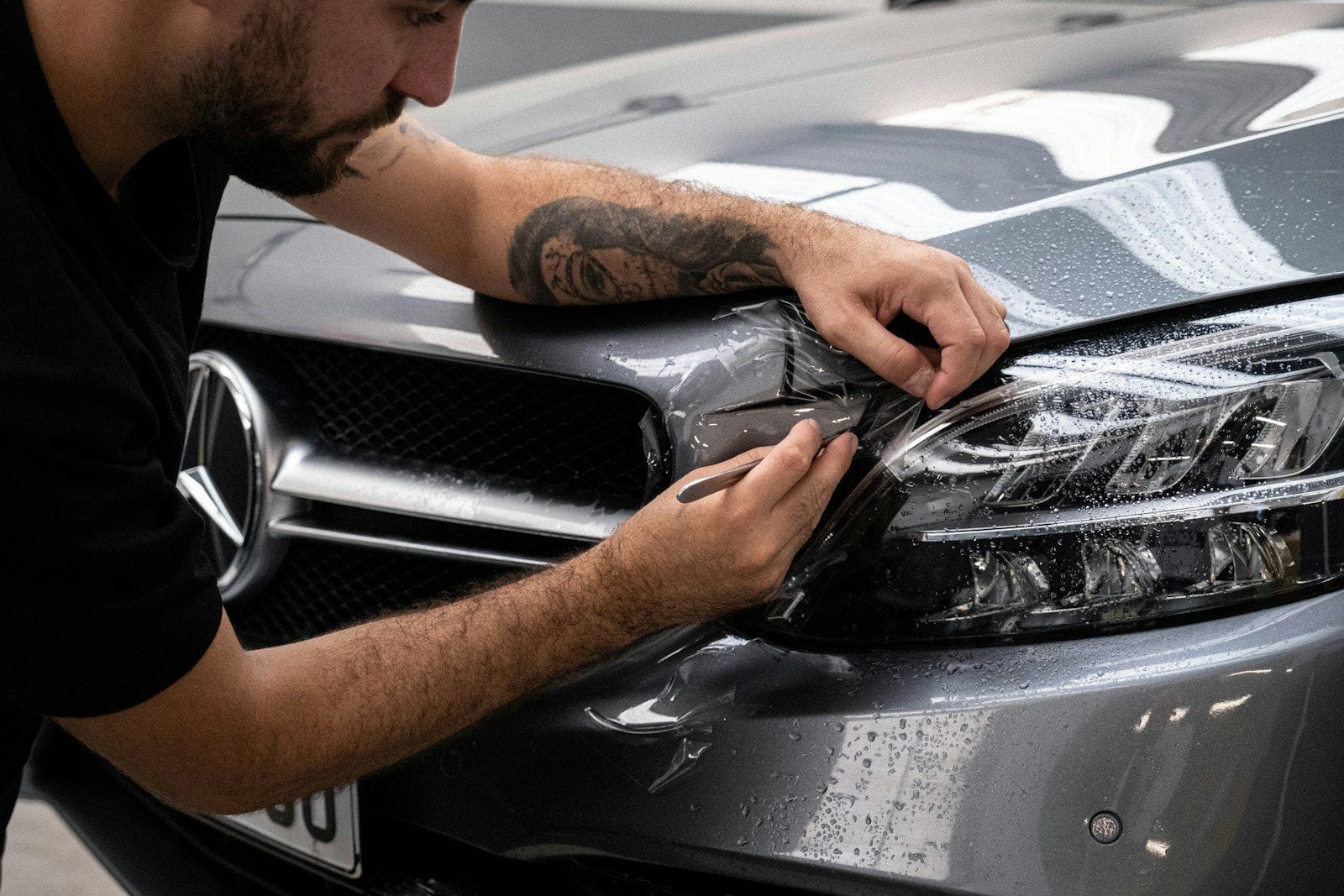
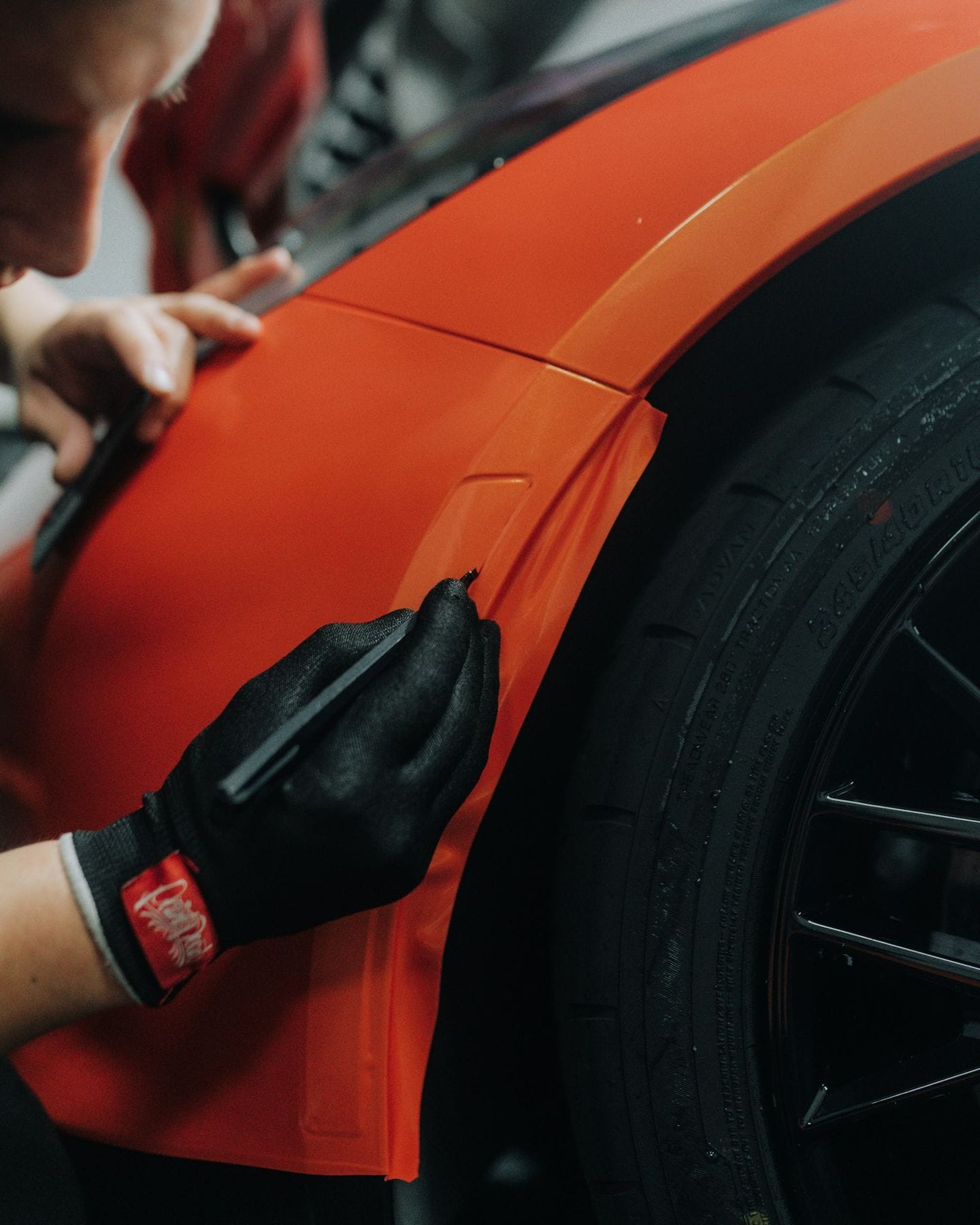
- Panel preparation — a thorough clean of the surface, plus trim removal where needed so the film can wrap behind edges instead of being cut short where it would show.
- Panel-by-panel installation — each panel gets its own time, with the film stretched and settled over every curve without bubbles.
- Heat-set edges and recesses — the step that stops the film creeping back and lifting at the edges in summer heat.
- Handover with a written warranty certificate — 3 years on the wrap.
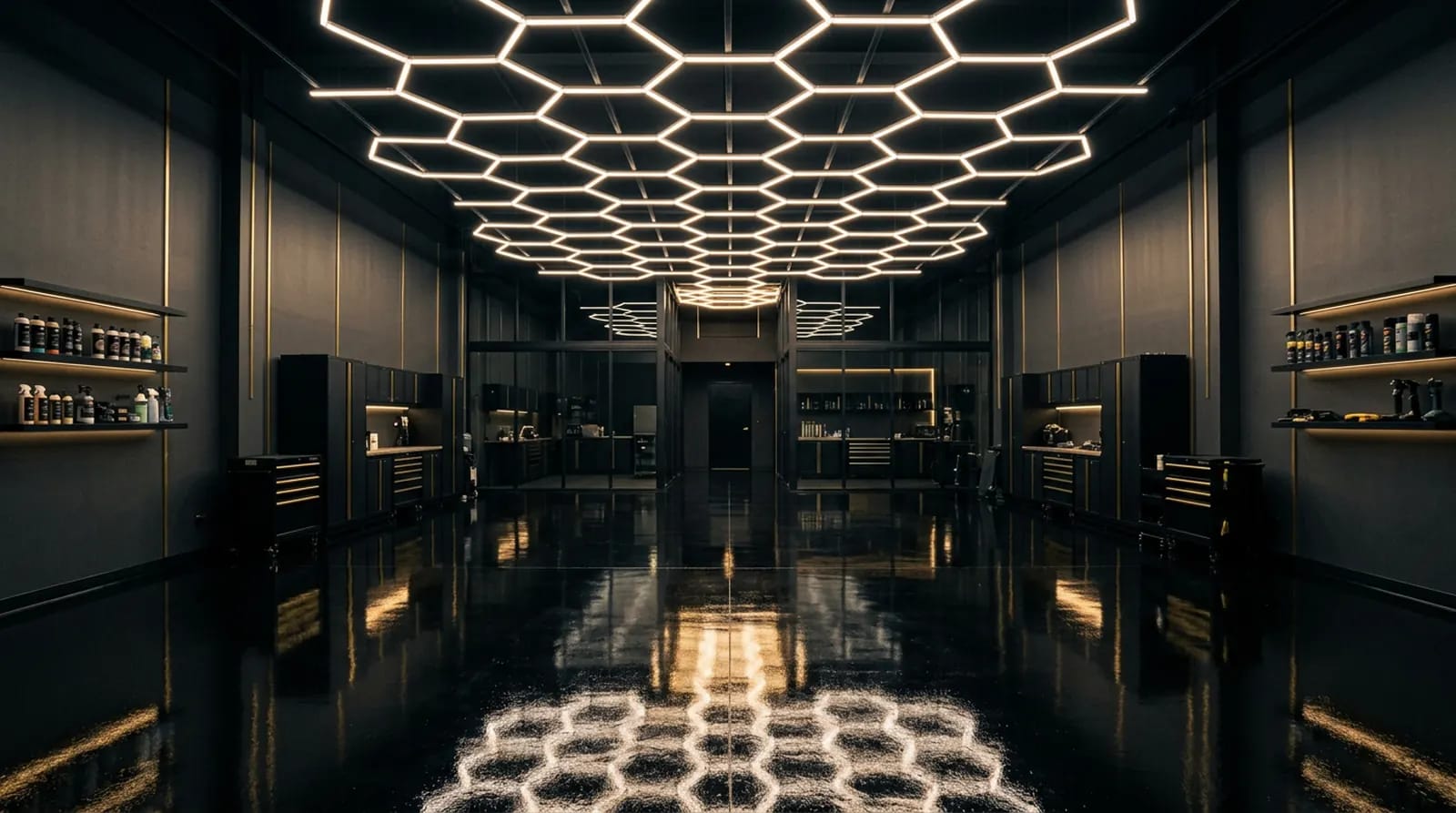
The full job takes about 3 days in the studio. You can see the service details on our car wrapping page, and examples of finished cars in our work.
Looking after a matte or satin wrap
Gloss behaves much like paint. Matte and satin ask for a little more discipline:
- Hand wash only, with the two-bucket method, a pH-neutral shampoo and clean microfibre.
- No wax and no polish — anything that adds shine will spoil a matte finish.
- Avoid automatic brush washes; they leave marks and uneven sheen.
- Bird droppings and tree sap: remove them quickly with water and a soft cloth before the sun bakes them on.
- Pressure washers: keep a sensible distance and never aim straight at the film edges.
- Park in the shade whenever you can through the summer.
For a fuller safe-wash routine, see our PPF and ceramic coating aftercare guide — most of the same rules apply to wraps.
Wrap, PPF, or both?
People often mix the two up. PPF is a clear, self-healing film built specifically to take stone chips and light scratches while keeping your original colour and gloss exactly as they are. A wrap's main job is to change how the car looks.
- Want a new colour? That's a wrap.
- Love your colour and want to protect it? Look at full body PPF or front-end PPF.
- Want both? Talk to us before you book and we'll work out what suits your car.
New to protection films? Start with our guide to PPF in Egypt.
Ready to change your colour?
Sort out the traffic-department approval first, then come and see the samples on your car at either of our studios in Maadi or Mokattam. Book a wrap consultation, or call or WhatsApp us on 0110 491 3633.
Frequently asked questions
Do I need traffic-department approval to wrap my car a new colour?
Yes. Changing a car's colour in Egypt needs approval from the traffic department (إدارة المرور). We advise getting it before installation, and checking with your own traffic department exactly what they need for your car.
How long does a full wrap take?
A full colour-change wrap takes about 3 days in the studio, because each panel is prepared and installed individually and the edges are heat-set. Partial jobs such as a roof or mirrors take less time.
Will removing the wrap damage my paint?
On sound factory paint, with the wrap removed properly using heat at a specialist studio, you get back the original paint that was underneath. Panels that were poorly resprayed before can be at risk, which is why we inspect the paint before we start.
Can I take a wrapped car through an automatic car wash?
Best not to, especially with matte or satin. Brushes leave marks and uneven sheen. A hand wash with pH-neutral shampoo and microfibre is the safe option.
What warranty comes with a wrap?
Our wraps come with a 3-year written warranty. You receive the certificate at handover, together with the care instructions that keep the wrap — and the warranty — in good shape.